Commercial Waste in Hertford

Commercial waste in Hertford needs a practical service that keeps business premises clear, compliant and ready for daily use. We handle the removal of general office rubbish, mixed non-hazardous business waste, packaging, old fixtures and other routine commercial loads, with a straightforward approach suited to shops, offices, workshops and shared premises. The aim is simple: remove waste efficiently and leave the space easier to manage.
Our service is arranged around the type of waste rather than forcing every customer into the same pattern. That means we can deal with recurring rubbish from a workplace tidy-up, a one-off clearance after a refit, or a larger load from a back room, stock area or storage space. If you need a broader overview of what we take, the business waste removal page gives a useful starting point, while customers planning a mixed load can also look at the main waste removal service for a wider picture of the kinds of clearance work available.
We keep the process clear and commercial: you tell us what needs removing, we assess the load, and we arrange a suitable collection. There is no need to overcomplicate the request. For a quotation, send the key details of the waste and the property type, then ask for the next available option that fits your job.
Office, Retail and Workplace Clearance
Many commercial jobs are about restoring order after a build-up of redundant items, rather than tackling a single dramatic clear-out. Offices may need old desks, chairs, cabinets, filing equipment and packaging removed; retail units may have cardboard, display materials and storage waste; light industrial or workshop settings may have mixed non-hazardous items that need separating before disposal. A careful service avoids unnecessary disruption and keeps usable access routes open while the work is carried out.
Where a business is reducing stockholding, changing layouts or preparing a room for another use, it helps to think in practical groups. One group might be general rubbish, another might be furniture, and another could be paperwork or confidential material that needs a separate arrangement. If you have records that need secure handling, the confidential shredding page is relevant, while the office clearance service is a good fit when desks, shelving and everyday workplace items need to go together. For a quicker conversation about scope, you can simply ask for a quotation and describe the rooms involved.
Useful preparation is modest, not complicated. A short list of items, approximate volumes, and any access points that matter will usually help. If there are lifts, narrow corridors, timed loading bays or shared entrances, mention them in the enquiry so the collection can be arranged sensibly. This is also the moment to note anything that should not be mixed with ordinary commercial waste. Keeping that information together saves back-and-forth and helps the quote reflect the actual work.
Furniture, Fixtures and Fittings

When a business changes hands, refreshes a room or replaces worn items, furniture removal often becomes the most visible part of the waste job. Tables, storage units, workstations, shelving, reception pieces and seating can all take up more space than expected, especially when they have to be taken through shared areas or down stairs. Our approach is designed to deal with these bulky items in a way that fits the building and the remaining contents.
Some items are best described by their end use rather than by the room they came from. A broken chair may simply be furniture waste, while a dismantled counter or fitted shelving may require a bit more time because it needs separating into manageable parts. Where old items are being replaced, the furniture clearance page is a useful match for larger mixed furniture jobs, and furniture disposal suits customers who mainly need individual pieces removed responsibly. If the clearance includes soft seating, the mattress and sofa disposal page is also worth a look for those heavier household-style items that sometimes appear in commercial settings too.
It is often worth deciding in advance whether items will stay assembled or need taking apart first. That decision affects access, labour and the time on site, so it is useful to include it in the quotation request. Clear description helps more than long explanation: what the item is, where it is located, and whether it can be carried out in one piece is usually enough to begin with. If you want us to handle the mix of furniture and non-furniture waste together, say so from the outset.
Waste from Garages, Stores and Support Areas
Commercial properties often accumulate waste in the places customers do not see first: garages, basements, storage rooms, back offices and support cupboards. These areas can hold packaging, redundant equipment, old stock containers, broken tools, small fittings and miscellaneous rubbish that never quite belongs in one category. Clearing them properly can free up space for storage, stock rotation or safer movement around the property.
The right service depends on what is actually present. For example, a garage used as an overflow store for a business may contain mixed items that are awkward to sort on site, while a stock room may mostly need cardboard, shelving offcuts and redundant fixtures removed. The garage clearance page matches those heavier, mixed clear-outs, while the home clearance and house clearance pages can be useful where a property has dual use or where domestic-style items are mixed into a wider clearance request. We can still keep the work commercial in scope and focus only on the waste you want removed.
Good planning here is simple: indicate whether items are loose, bagged or stacked, and whether they are easy to reach without rearranging the whole room. If you are preparing a quotation, it helps to note whether the job is a single pile or several separate spots around the site. That gives a more accurate view of the time needed and helps avoid a quote that is too general to be useful.
Builders’ and Refurbishment Waste
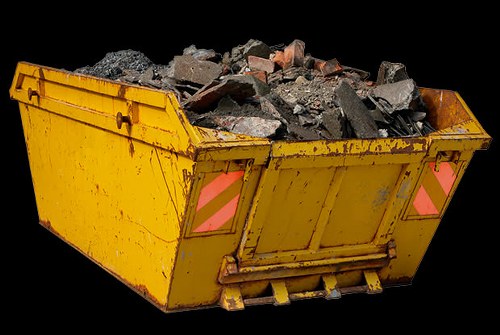
Commercial waste often appears in bursts during works such as shop refits, small renovations, partition changes or equipment upgrades. Builders’ waste can include timber offcuts, plasterboard, broken fixtures, packaging, old floor coverings and general rubble from light refurbishment jobs. The key is to separate what belongs in a construction-style clearance from what is ordinary business rubbish, because the right method depends on the material mix and the site conditions.
For this kind of job, the builders waste clearance page is the most direct option when the load comes from building or fit-out activity. If the job involves a mixture of construction debris and ordinary commercial rubbish, we can look at the whole load together rather than splitting it into separate visits unnecessarily. The waste removal service also gives room for broader clearances when you need a practical collection for several types of non-hazardous waste in one go.
Refurbishment waste is often about timing as much as volume. A room that needs to be handed back, cleaned or reopened may benefit from removal once the main work has finished, whereas a live site may need a smaller, phased approach. If you are requesting a quotation, explain whether the waste is already bagged, whether it is loose, and whether anything is still attached to the building. That detail matters because it changes the work involved.
Garden, Outdoor and External Waste
Some commercial premises also need the external areas tidied at the same time as the interior. Courtyards, service yards, staff smoking areas, planted borders, access strips and boundary spaces can collect branches, soil, planters, bags, broken outdoor furniture and general green waste. A tidy external area can make storage and movement simpler, while also reducing the chance that mixed waste spills into other parts of the premises.
The garden clearance service is appropriate when the main job is green or outdoor waste removal, especially where there is a mix of clippings, cuttings, soil and general garden debris. Where the waste is less natural and more about external storage, you may prefer a broader commercial clearance instead. For premises that run across several different spaces, it can be helpful to group outdoor waste separately so the collection can be organised in a way that suits the site layout.
A sensible enquiry will mention whether the outdoor waste is dry or damp, spread out or bagged, and whether it sits in a public-facing area that affects access. Those small details can influence how the work is planned even when the job is straightforward. If you want the collection to include internal and external waste together, say that clearly so the quotation can cover the full scope rather than only one part of the site.
Appliances, Fridges and Other Difficult Items

Commercial premises sometimes need the removal of items that are bulky, awkward or not suitable for ordinary rubbish handling. Fridges, freezers, vending units, coolers and certain electrical appliances can be difficult to move safely without proper planning, especially in premises with tight access or shared circulation space. These items need a service that understands the practical side of moving them as well as the disposal side.
Where appliances form part of the job, the fridge and appliance removal page is the most relevant destination. If the appliances are only one part of a wider clear-out, they can be added to a broader commercial collection after checking what else is included. For business waste that contains a range of objects rather than one category alone, a combined job is often easier to arrange than several small visits, provided the items are suitable for the same collection.
Some waste streams are not suitable for a standard mixed removal, and it is better to identify them up front than to leave them hidden within a general description. If you are unsure whether an item belongs with the main load, include it in the request and ask for guidance. A quotation is more accurate when the contents are described honestly, even if that description is brief.
Pricing Factors and What Affects the Quote
Commercial waste pricing is usually shaped by the volume of material, the type of items, the ease of access and the amount of labour involved in moving everything out. A few light bags from an easy-to-reach room will not need the same arrangement as a bulky clearance from an upper floor or a packed storage area. Mixed loads may also vary in complexity, especially when furniture, packaging and heavier items are combined.
The most useful information is often the simplest. A rough list of items, an estimate of how full the area is, and whether the waste is ready at the entrance or still spread across rooms can be enough to start a sensible conversation. If price information is your first priority, the pricing and quotes page is the best place to look for the general approach to estimating a job. You can then ask for a quotation based on the exact mix you need removed.
There is no need to turn the enquiry into a full report. Keep it factual and specific: what needs removing, where it is, and whether there are any obstacles. If you have a deadline because of a handover, refit or move, mention that as part of the request without assuming a result. A clear quotation request is usually the fastest route to an accurate answer.
Recycling, Sorting and Responsible Disposal
Businesses often want to know what happens after the waste leaves the premises. A sensible commercial clearance should make room for sorting where items can be separated by type and routed appropriately, rather than simply treated as one undivided load. Cardboard, metal, certain furniture components and selected equipment can often be handled differently from mixed general rubbish, depending on the contents and condition of the load.
The recycling and sustainability page gives more detail on the wider approach to separating suitable materials where possible. That matters for customers who are clearing recurring waste streams as well as one-off loads, because the way items are presented can affect how much can be sorted efficiently. A business that regularly produces the same kind of waste may find it helpful to keep categories distinct from the start rather than mixing everything together.
Where disposal needs are unusual, the safest choice is to name the items and let the collection be shaped around what is actually present. If a job includes a blend of ordinary waste, furniture and a few specialist pieces, those should be listed together so the route to disposal is realistic. That makes the quotation more grounded and helps avoid unnecessary changes later.
About Hertford

Hertford is the county town of Hertfordshire and sits in the Lea Valley, with the River Lea and the River Beane shaping its landscape and historic growth. Its centre combines market-town streets, civic buildings and a mix of later commercial development, while the surrounding area includes residential neighbourhoods and transport links that connect it with the wider county. The town’s name appears in records from the early medieval period, and its development was influenced by river crossings, administration and trade. Hertford Castle, though altered over time, remains one of the best-known historic landmarks, while the town also has a network of streets and buildings that reflect different phases of expansion. St Mary’s Church is another prominent feature, contributing to the architectural character of the centre. In the wider town, public green spaces, riverside walks and local parks provide a softer contrast to the built-up core, and the area’s layout still reflects the relationship between older settlement patterns and more modern movement routes. Hertford’s place in the county has long made it a centre for local services, administration and community life, and that civic role remains part of its identity today. Cultural activity is supported by venues, shops, riverside settings and seasonal events that make the town feel active without losing its historic scale. Because the area includes a combination of heritage buildings, newer streets and mixed land uses, it presents a varied urban pattern rather than a single uniform townscape, which is part of what gives Hertford its character.
Commercial Waste Services for Different Property Types
Commercial waste needs vary depending on the premises. An office usually produces paper, packaging, obsolete furniture and general room contents, while a retail unit may generate display waste, shelving, stock packaging and old fittings. Workshops, storage rooms and mixed-use properties can add still more variety, which is why a single flexible service is often more practical than a rigid one-size-fits-all arrangement.
That flexibility is also why it helps to match the service to the waste, not just the building type. A small premises with one overflowing room may need a focused clearance, while a larger site may be better handled by dividing the contents into separate categories. If you need to make a booking online, the book online page offers a convenient starting point, and the contact us page is suitable when you want to ask a question before confirming the job. Either way, a short description of the waste will give the clearest basis for a quotation.
Two details make a big difference: where the waste is located and how much of it there is. A pile in a loading bay is very different from the same material on an upper floor with narrow stairs. If your premises have mixed access or multiple collection points, note that as part of the request so the collection can be planned sensibly and priced on the right basis.