Commercial Waste Hertford — Recycling & Sustainability
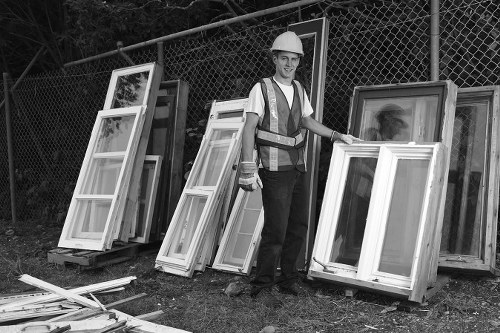 Our approach to creating an eco-friendly waste disposal area in and around Hertford is practical, measurable and rooted in local partnerships. As a dedicated provider of Commercial Waste Hertford services, we combine operational rigour with community-focused programmes so businesses can reduce landfill, improve recycling rates and demonstrate real sustainable rubbish area stewardship. This page outlines our targets, the local transfer stations we use, charity reuse pathways and the low-carbon vans we deploy to lower emissions across the town.
We have set a clear recycling percentage target to drive progress: a 65% recycling rate by 2030 for commercial customers in the Hertford area, with interim milestones reviewed annually. That target covers a wide range of waste streams — from segregated food waste and glass to paper, cardboard, plastics and metals — and supports the boroughs' approach to waste separation. Our reporting framework gives businesses transparent KPIs so teams can plan procurement, storage and separation to hit those numbers.
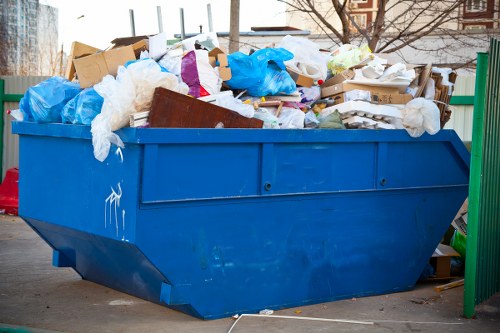 Hertford's boroughs encourage source separation and mixed-stream capture: kerbside-style separation adapted for commercial premises, with dedicated bins for food, paper & card, glass and mixed recycling. We work closely with local authorities to align commercial collections with municipal programs, ensuring collected materials enter appropriate recovery routes rather than being downcycled or landfilled. That local alignment helps to preserve material quality and increases the yield of recyclable material for the county's material recovery facilities.
Local transfer stations and materials flow
Our logistics network uses nearby transfer stations and county transfer hubs to reduce haul distances and processing times. By routing segregated loads through designated transfer stations in and around East Hertfordshire, we shorten the journey to Material Recovery Facilities (MRFs) and organics processors. These compact transfers support an eco-friendly waste disposal area model by maximising backhauls and consolidating loads so fewer long-haul journeys are needed, reducing overall carbon per tonne of waste handled.
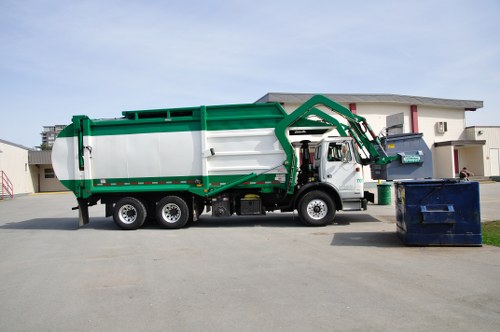 The transfer station partners we work with are licensed to accept commercial-grade loads and are equipped to handle a range of streams including: textiles, WEEE (electricals), bulky inert construction materials and regulated commercial food waste. Where a load requires specialist treatment — for example regulated asbestos or hazardous liquids — we use accredited hazardous waste transfer solutions to protect public health and the environment.
Partnerships with charities & reuse networks
We prioritise reuse where possible through formal partnerships with local charities and regional reuse networks. Our commercial diversion programmes include:
- Furniture and fixtures — rehomed through community charities and social enterprises;
- Clothing and textiles — directed to charity collection streams or specialist recyclers;
- Working IT and appliances — refurbished and donated to local projects;
- Surplus food — redirected to food banks and redistribution partners where safe.
To support businesses that require tailored separation, we provide training resources and on-site audits that explain the boroughs' approach to waste separation and recommend bin setups that work for retail, offices, hospitality and light industrial premises. Our teams use clear labelling and colour-coded containers to reduce cross-contamination, and we audit tenancy and communal areas to ensure collections reflect actual waste generation patterns. This operational attention helps customers reach the recycling percentage target while simplifying day-to-day compliance.
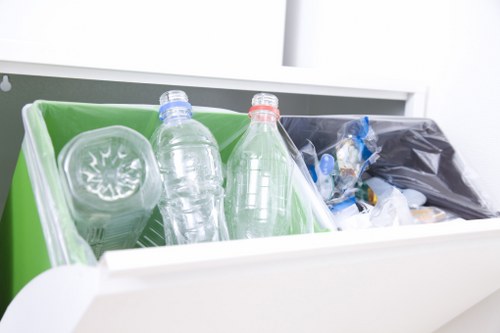 Fleet decarbonisation is central to our low-carbon strategy. We operate a growing fleet of low-carbon vans, including electric and hybrid vehicles, and supplement short-run urban collections with cargo bikes where practicable. Route optimisation software minimises empty miles and consolidates stops for multi-site clients, cutting CO2 emissions and improving efficiencies. Our ambition is to have at least 50% of collection miles completed by low-emission vehicles by 2027, with continuous investment thereafter.
 The outcome is a more resilient, accountable and sustainable rubbish area for Hertford businesses. By integrating best practice collection, local transfer stations, charity reuse partnerships and a low-emission fleet, our Hertford commercial waste services deliver measurable environmental benefits. We support local policy aims on separation and recycling while giving businesses the operational simplicity they need — practical solutions that make it easy to be part of a greener future.
In summary, our approach to Hertford commercial waste centres on measurable targets, strategic logistics and community partnerships. We help companies of every size transition to less waste, higher reuse and lower carbon transport — creating an eco-friendly and sustainable rubbish area across the town and surrounding boroughs.
